



Combined residual current protections
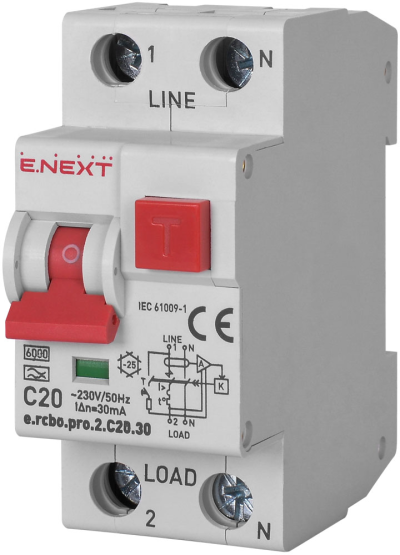
Our customers often confuse residual current protection and combined residual current protection, and some do not see the difference between these devices at all. The difference between residual current protection and combined residual current protection is that the former does not have
Learn more
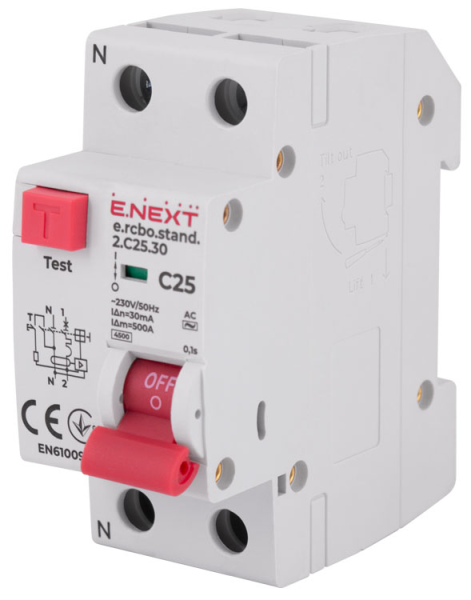
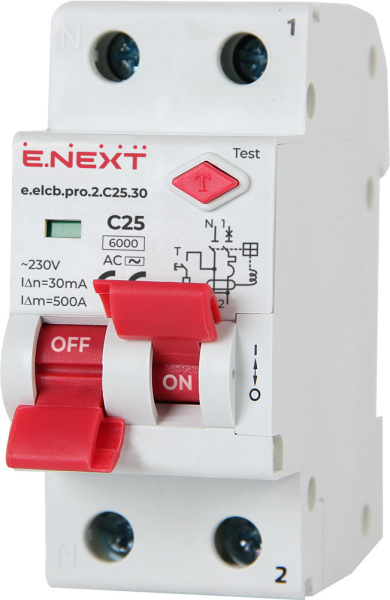
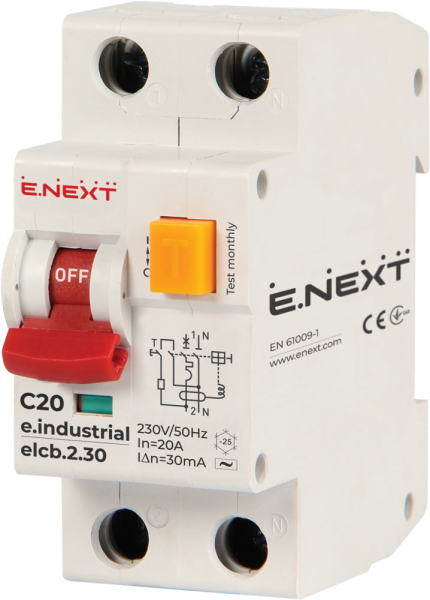
overcurrent protection, which must be installed additionally, for example in the form of a circuit breaker. Combined residual current devices are devices that combine the functions of circuit breakers and residual current protection (protective tripping devices).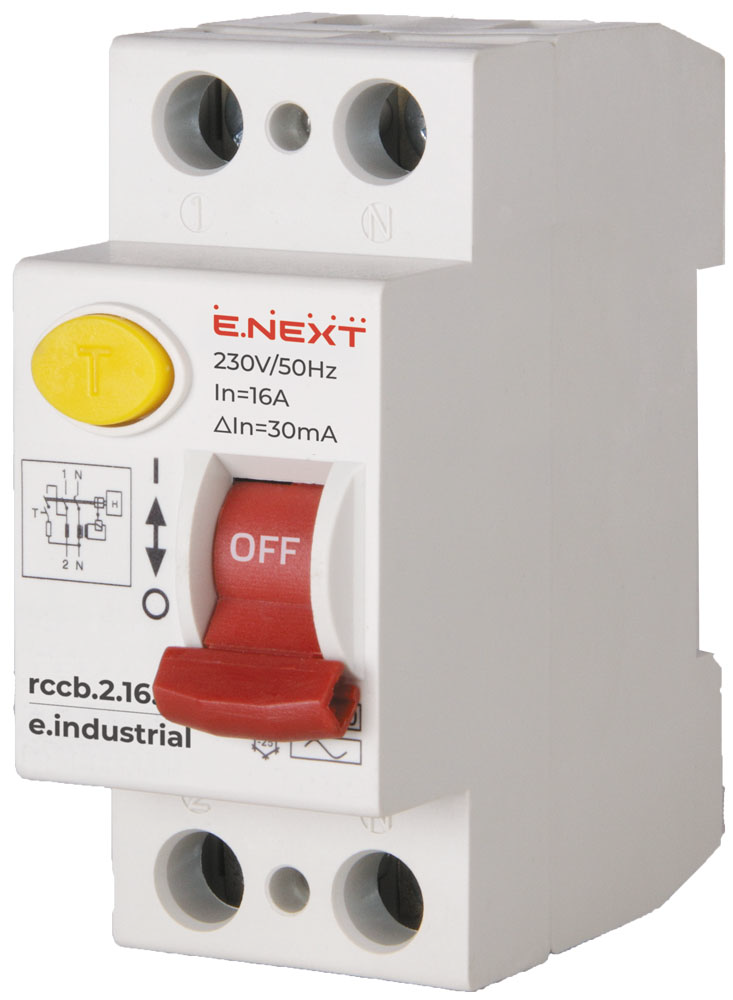
What is differential current, where does it come from?
Differential current is the difference between the currents flowing through the phase conductor to the consumer and through the neutral conductor back. The sensing element is a differential transformer installed inside the device.
In normal operation of the network, these currents are equal. When a leakage occurs, a leakage current occurs, in which the incoming current is greater than the outgoing current by the amount of the leakage. If the leakage current in the network is equal to or higher than 50% of the set point, the device disconnects the protected line.
Types of residual current protection
Residual current protection devices are available in several types:
- AC Type - For alternating current, marked with a “~” symbol.
- Type A - Detects alternating and pulsating direct current. Denoted by an "A" or a symbol with two tildes.
- Type B - Used in industry, for alternating and direct current.
Selection of residual current protection
When choosing a residual current protection, several factors are taken into account:
- Intended use: For wet rooms – 10mA; for common contacts – 30mA; for building protection – 100mA or 300mA.
- Combined or standard protection: Combined devices save space in the panel, while separate installation allows for easier replacement and diagnostics.
- Type A or AC: If there are electrical appliances with pulsed power supplies, type A is more reliable.
- Electromechanical or electronic: Electronic ones are more budget-friendly, but electromechanical ones provide better protection against voltage fluctuations.
Conclusion
Choosing the right residual current device is important for ensuring the safety of the electrical system and protecting people. With the right device, tailored to the needs of the installation, reliable protection against current leakage and circuit overload can be guaranteed. Pay attention to all the technical parameters of the device specified by the manufacturer to make an informed choice.
In stock